February 24, 2026
Whether you're a first-time pilot or a seasoned expert, understanding the fundamental components of a drone is crucial. These interconnected parts work in harmony to create the powerful flying machine we know and love. This guide provides comprehensive information on the essential hardware and software components of every drone.
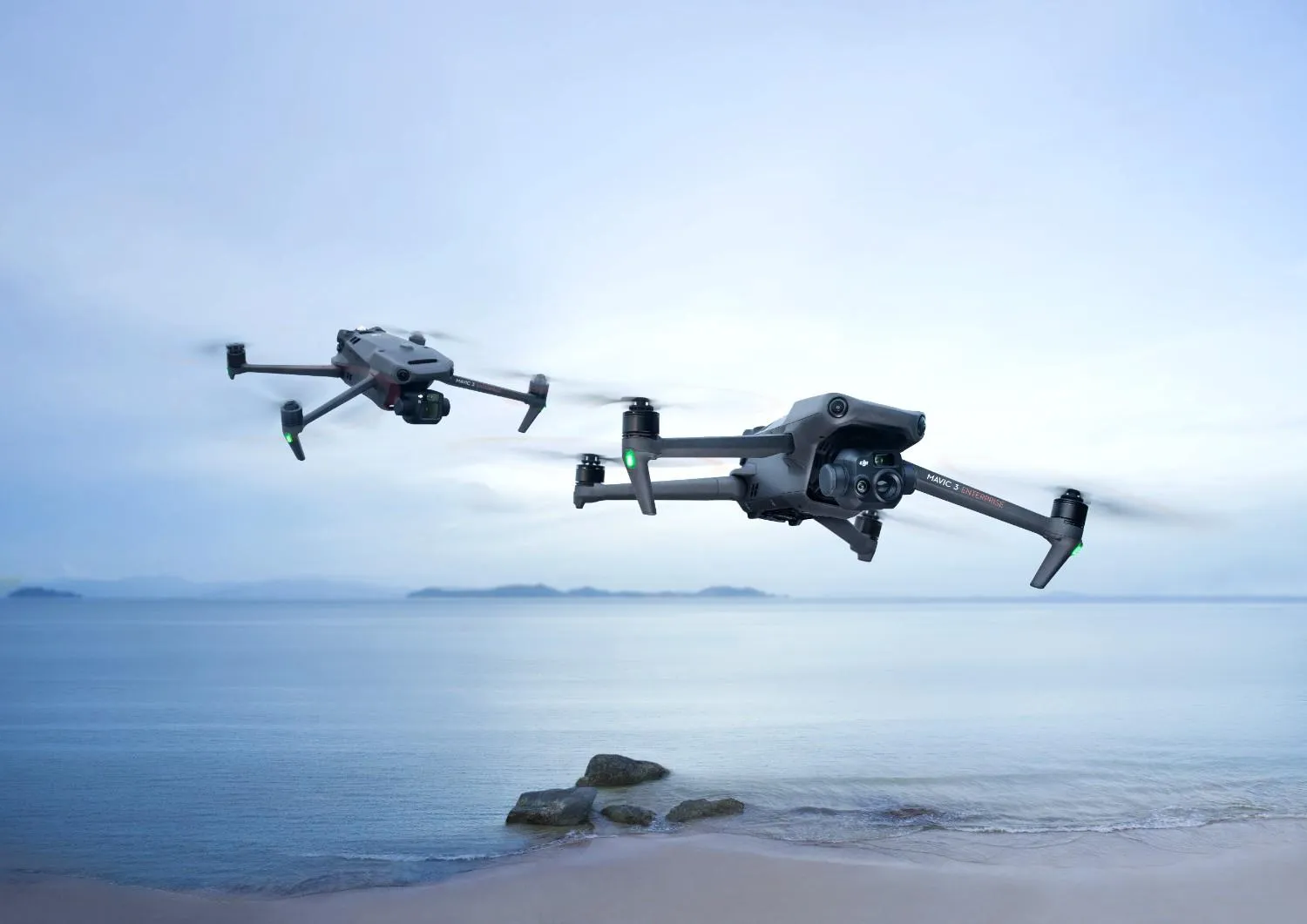
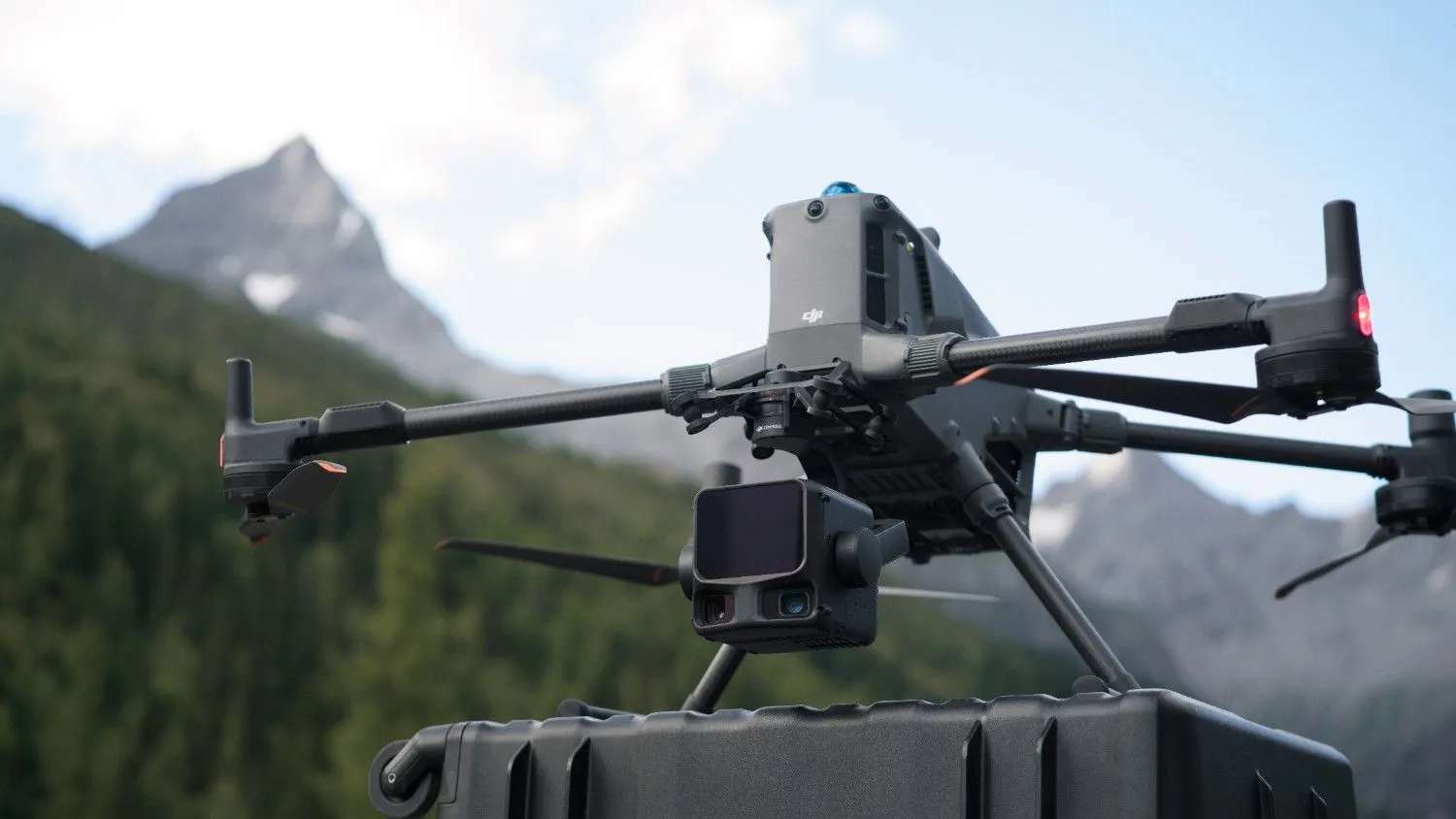
Frame (Chassis): The frame is the drone's skeleton, providing the physical structure and support for all other components. It is typically made from lightweight yet durable materials such as carbon fibre, aluminium, or plastic to maximise strength while minimising weight. The frame's design, often in a quadcopter (four-rotor) configuration, is engineered to distribute weight evenly and withstand the forces of flight.
Motors: These are the power sources that generate the thrust required for flight. The motors, typically brushless DC motors, spin the propellers at high speeds. The speed and direction of each motor are precisely controlled to lift the drone, change its direction, and maintain stability.

Propellers: As the "wings" of the drone, propellers are airfoil-shaped blades that convert the rotational energy from the motors into upward thrust. By pushing air downwards, they generate the lift required to get the drone off the ground. The size, shape, and pitch of the propellers are carefully matched to the drone’s motors and weight.

Battery: The drone’s primary power source. Most modern drones utilise high-energy-density Lithium Polymer (LiPo) batteries, which are lightweight and capable of delivering a large amount of power quickly. The battery's capacity and C-rating (discharge rate) directly impact the drone's flight time and performance.
Flight Controller (FC): Often called the "brain" of the drone, the flight controller is a sophisticated circuit board that manages all aspects of flight. It receives input from the remote controller and various sensors, processes this data, and sends precise commands to the Electronic Speed Controllers (ESCs) to adjust motor speed, keeping the drone stable and balanced.

Electronic Speed Controllers (ESCs): The ESCs are the intermediaries between the flight controller and the motors. They take the flight controller's low-power signals and convert them into the high-power signals needed to control the speed and direction of each motor. Each motor has its own dedicated ESC, ensuring precise and independent control.

Inertial Measurement Unit (IMU): The IMU is a critical sensor suite that provides the flight controller with real-time data about the drone’s motion and orientation. It typically includes:
GPS Module: A Global Positioning System (GPS) or Global Navigation Satellite System (GNSS) module is essential for navigation and automated flight. It enables the flight controller to pinpoint the drone's exact location, allowing for advanced features such as autonomous flight paths, precise hovering, and a "Return-to-Home" (RTH) function.

Magnetometer: A digital compass that detects the Earth's magnetic field. This provides the flight controller with accurate directional data, which is crucial for navigation and maintaining a stable heading.
Barometer: This sensor measures atmospheric pressure, which changes with altitude. The flight controller uses this data to maintain a consistent altitude, preventing the drone from unintentionally climbing or descending.

Radio Receiver: This small, lightweight component, mounted on the drone, receives control signals from the remote transmitter. It decodes these signals and sends them to the flight controller, translating the pilot's stick movements into commands for the motors.

Ground Control System (GCS): The GCS is the command center from which the drone is operated. It includes the handheld remote controller (transmitter) but can also involve a laptop, tablet, or smartphone. The GCS allows the pilot to send commands, monitor telemetry data (such as battery voltage and altitude), and view live video feeds.
Data Link: The data link is the wireless communication system that connects the drone and the GCS. It uses radio frequencies to transmit two-way information:
The basic components of a drone, from its physical frame to its sophisticated software, work together to unlock incredible capabilities, from aerial photography to complex industrial inspections. Understanding this anatomy is the first step, but the real power of drone technology lies in its application and support.
Whether you are an aspiring hobbyist or an enterprise looking to integrate drones into your operations, choosing the right drone and keeping it in perfect condition are paramount. For expert guidance on drone technology, professional consulting, and specialized activities, check out Dronehub. We offer comprehensive software and drone services to help you maximise your drone's potential.
For those ready to purchase a drone, whether for personal or business use, or in need of reliable repair services, look no further than a trusted partnership with Dronehub.
Share this post