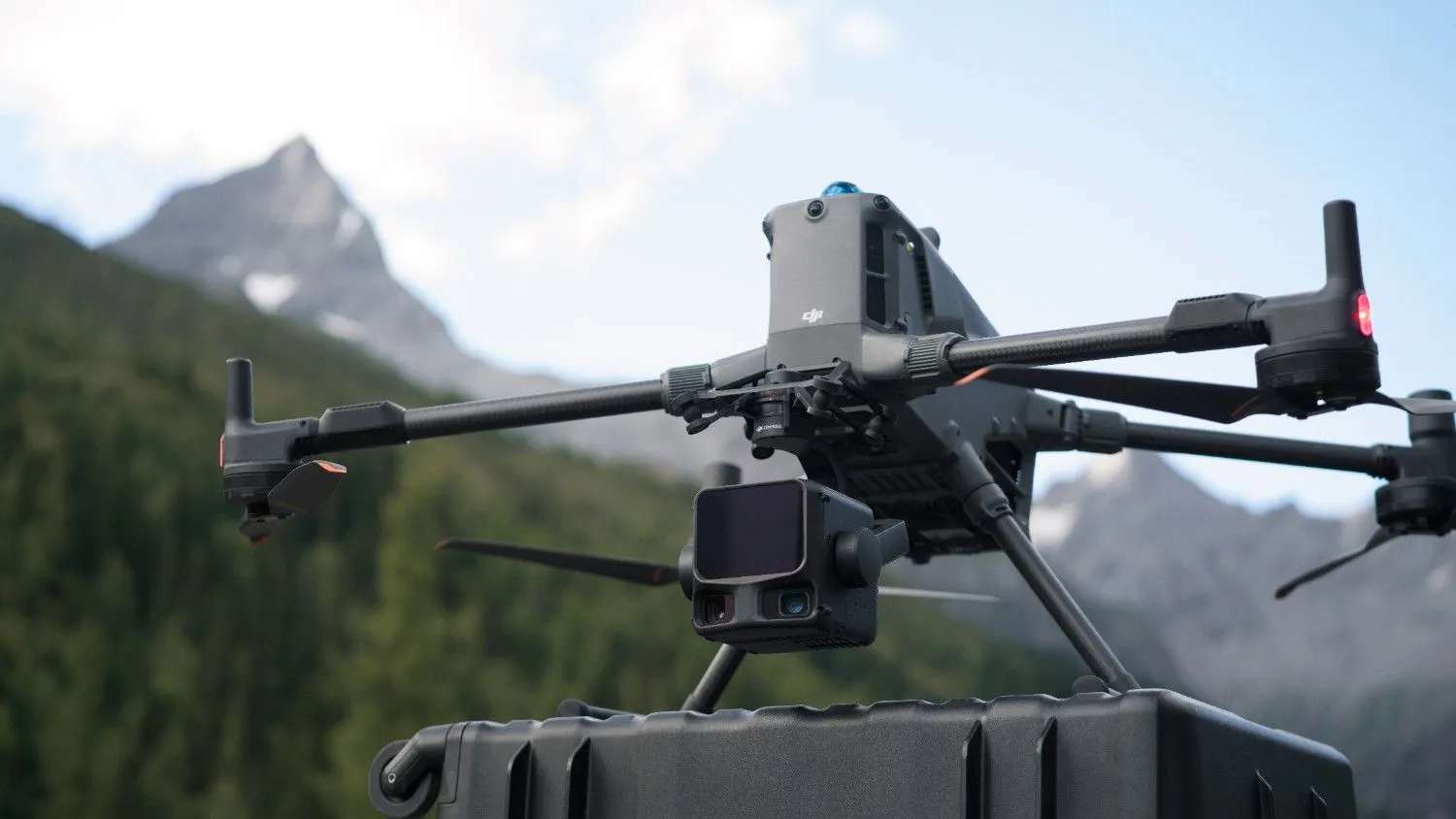
Congratulations on your new drone! Your first flight is an exciting moment, but getting started can feel a little intimidating. This simple, step-by-step guide is designed to help you take to the skies safely and confidently, even if you’ve never touched a drone before.
Step 1: Get Ready to Fly (Before You Go)
Think of this as your simple pre-flight checklist.
- Read the Manual: Don't skip this! Your drone's manual is your best friend. It shows you what each button does and how to handle any issues that may arise.
- Find a Good Day: Drones don't like bad weather. Check the forecast for a day with clear skies and very little wind. Strong winds can make it hard to control your drone.
- Charge Everything: Ensure your drone battery, remote controller, and phone or tablet are all fully charged. A low battery can end your fun too soon!
- Check Your Drone: Take a quick look at your drone. Are the propellers on the right? Is anything loose? Take off any protective covers, especially the one on the camera gimbal.
Step2: Find the Perfect Place to Fly
Where you fly for the first time is super important.
- Look for a Big, Open Space: Find a wide, open area, such as a park, an empty field, or a sports oval. You want to be far away from trees, buildings, power lines, and people.
- Check the Rules: In many places, there are rules about where you can fly. Use a drone app (such as one from your drone's manufacturer) to check for "no-fly zones," which are often located near airports or government buildings.
- Keep It in Sight: Always keep your drone in your sight. Don't fly it so far away that it looks like a tiny dot. This is known as "Visual Line of Sight," and it's a crucial safety rule.
Step 3: First Time
- Place the Drone Down: Put your drone on a flat, clean spot on the ground. Face it, so the camera is pointing away from you.
- Turn It On: First, turn on your remote controller. Then, turn on the drone. This helps them connect properly. Wait until the lights on your drone and remote stop blinking and become solid. This means they're ready.
- Use "Auto Takeoff": Most new drones have a simple button in the app that says "Auto Takeoff." Just press it! The drone will automatically lift off the ground and hover a few feet in the air. This is the easiest way to start.
- Hover for a Bit: Let your drone hover in one spot for about 10-15 seconds. This gives you time to see how stable it is and get comfortable with it just sitting in the air.
Step 4: Learning the Controls (The Fun Part!)
Your first goal is just to learn how to move it around slowly.
- Left Stick (Up/Down): This controls the drone's altitude, allowing it to move higher or lower.
- Left Stick (Left/Right): This controls the drone's spinning motion in a circle.
- Right Stick (Up/Down): This controls the drone's forward and backwards movement.
- Right Stick (Left/Right): This controls the drone's sideways movement, allowing it to fly left or right.
A Simple Practice Idea:
- Take off and hover.
- Gently push the right stick up to move the drone forward a few feet.
- Then, pull the right stick down to return it to its original position.
- Try the same thing with the right stick, left stick, and right stick. Take it slow!
Step 5: Landing and Finishing Up
- The Landing: When you're ready to land, just slowly pull the left stick down. Keep an eye on the drone and try to land it at the same spot you took off from.
- Turn Off: Once the drone is safely on the ground, turn it off first, then turn off your remote controller.
- High Five! You did it! Review your video and pictures, and take pride in your first successful flight.
Taking the Next Step with DroneHub
Taking your first flight is a huge milestone, but it's just the beginning of your journey as a drone pilot. As you become more confident, you can fly in more challenging conditions or for more complex projects. If, after all of this, you still feel unsure or want to take your skills to the next level, don't worry.
The best way to become a truly safe and proficient pilot is to learn from a professional. Seek the help of a certified drone professional trainer who can provide personalised guidance, teach you advanced manoeuvres, and ensure you understand all the rules and regulations. This will not only improve your skills but also help you fly with complete confidence and peace of mind.