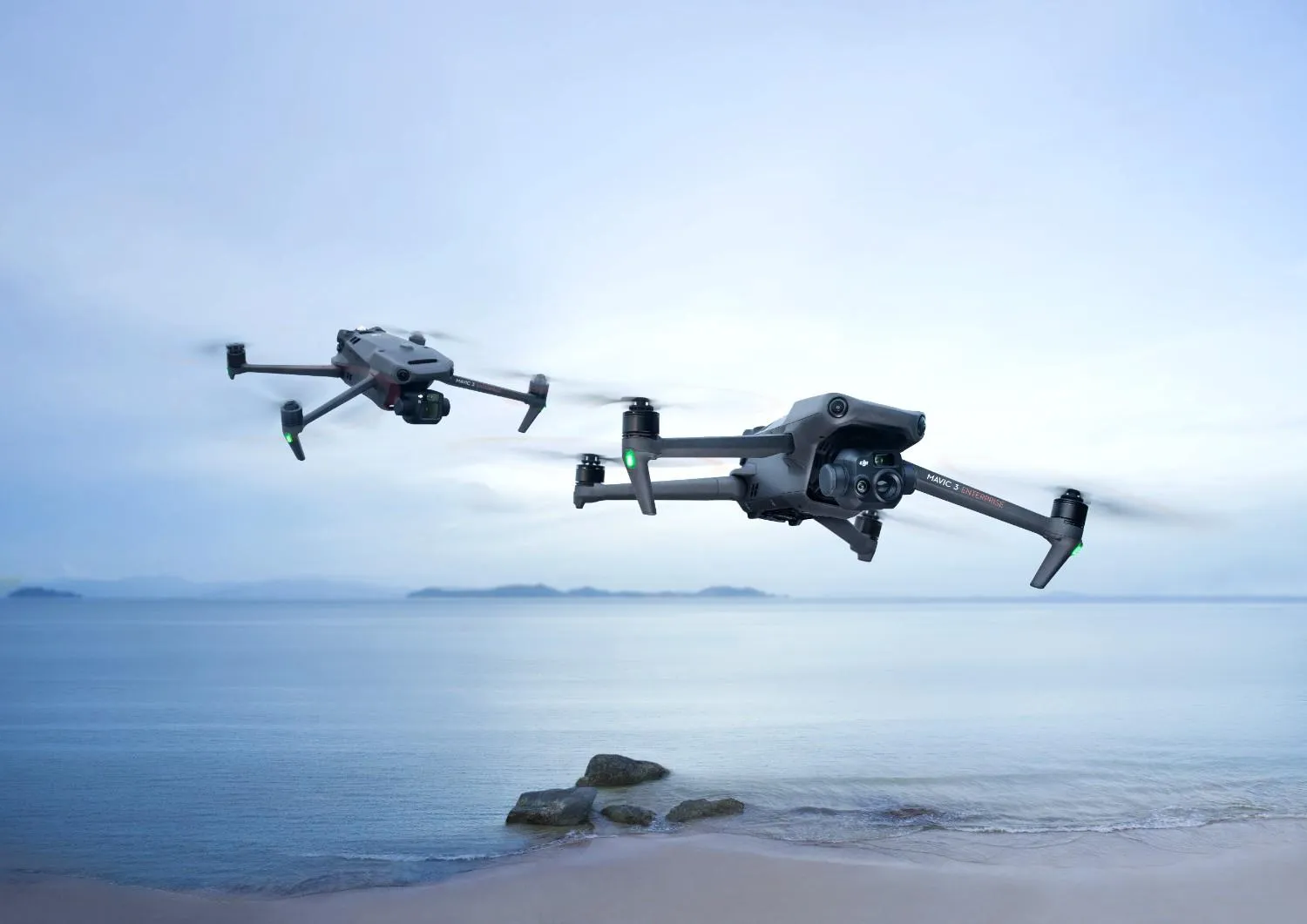
Drones, with their versatile capabilities, have become a powerful asset for a wide range of projects. Whether you're a business or professional looking to elevate your operations, or a hobbyist exploring a new passion, selecting the perfect drone is the first step. This guide will help you navigate the drone market and choose the best fit for your needs.
Define Your Project Needs and Goals
Before you start looking at technical specifications, you must clearly define the "why" behind your drone purchase. What do you want to achieve?
- Aerial Photography and Cinematography: To capture high-resolution images and smooth, cinematic video, you need a drone equipped with an exceptional camera system. A common question is which drones professionals use for this purpose; popular choices include high-end models like the DJI Inspire and Mavic series, which offer high-quality sensors and a stabilised gimbal for professional-grade footage.
- Surveying and Mapping: Precision and accuracy are key for these projects. You'll need a drone capable of autonomous flight along pre-programmed paths. The drone should be equipped with high-resolution sensors, such as cameras or LiDAR, and integrated GPS technology for accurate positioning. These drones are used to generate high-accuracy geospatial data, including 2D orthomosaic maps and 3D models.
- Inspections: For inspecting hard-to-reach areas, such as infrastructure or power lines, choose a drone equipped with sophisticated sensor payloads. This is where a drone thermal camera becomes essential, allowing you to detect heat signatures to identify potential faults or overheating components. Drones for inspection require enhanced safety features, such as obstacle avoidance and protective cages, advanced navigation for stable flight in complex environments, and software for automated data processing and reporting.
- Agriculture and Crop Management: Drones are revolutionising farming by providing a highly efficient, precise method for crop spraying. They can cover large fields quickly with pre-programmed flight paths, reduce chemical waste by targeting specific areas, and improve safety by minimising human exposure to harmful substances.
- Recreational Flying: If you're a beginner or hobbyist, focus on less expensive drones that prioritise ease of use and safety. These models often feature simpler controls, basic cameras, and robust safety features to help you learn and build your skills.
Understand Your Operational Environment
The conditions in which you'll be flying are a critical factor in your choice.
- Windy and Open Spaces: For locations like coastlines or open fields, select a drone with a high wind resistance rating to ensure stable flight and clear, steady footage.
- Confined Spaces: Indoor or tight-space operations demand a compact, highly manoeuvrable drone with collision tolerance and on-board lighting.
- Rugged Environments: Construction sites or industrial areas require a durable, weather-resistant drone. Fixed-wing or VTOL (Vertical Take-Off and Landing) models are often more efficient for surveying large, rugged areas.
Compare Key Drone Specifications
Once your project needs are clear, it's time to match them to the drone's technical features.
- Camera: A larger sensor captures more light, resulting in superior image quality, better low-light performance, and a wider dynamic range, all essential for professional-grade work. Specialised sensors, such as thermal cameras, are also critical for specific inspection and monitoring tasks.
- Flight Performance: The type of drone motor is a key component; more powerful, efficient brushless motors are the standard for modern professional drones. These motors, along with battery capacity, determine flight time and payload capacity. Always adhere to local regulations regarding maintaining a visual line of sight (VLOS) with your drone.
- Safety and Ease of Use: Obstacle avoidance and smart features, such as "Return to Home," are crucial, especially for beginners. A strong GPS signal is crucial for maintaining stable flight and enabling automated functions.
Consider Cost and Regulations
A realistic budget and an understanding of legal requirements are a must.
- Cost vs. Quality: While inexpensive drones may be tempting, they often lack the features and durability necessary for professional work.
- Total Cost of Ownership: Remember to budget for more than just the drone itself. Include costs for spare batteries, replacement parts, and potentially expensive software subscriptions for advanced mapping or data analysis.
- Regulatory Compliance: Ensure you are fully compliant with all local drone laws, including registration, pilot certification, and flight restrictions.
Conclusion
Choosing the right drone is a strategic decision that can significantly impact the success and efficiency of your project. By carefully defining your needs, considering your environment, and comparing technical specifications, you can make an informed choice that will help you achieve your goals.
Ready to find your perfect drone?
Dronehub Africa is your trusted partner for all your drone needs, from sales to training and consultation.